FREE LIVE WEBINAR
FROM TAX PRO TO ERO


Build Your Own Tax Business & Keep 100% of Your Fees!
Ready to take the next step in your tax career? Learn how to transition from being a tax preparer to becoming an Electronic Return Originator (ERO), establish your own tax business, and create opportunities to grow your revenue.
Discover the steps to becoming an independent tax business owner with the right foundation, tools, and support.

YOU DON'T HAVE TO KEEP SPLITTING
YOUR TAX PREPARATION FEES
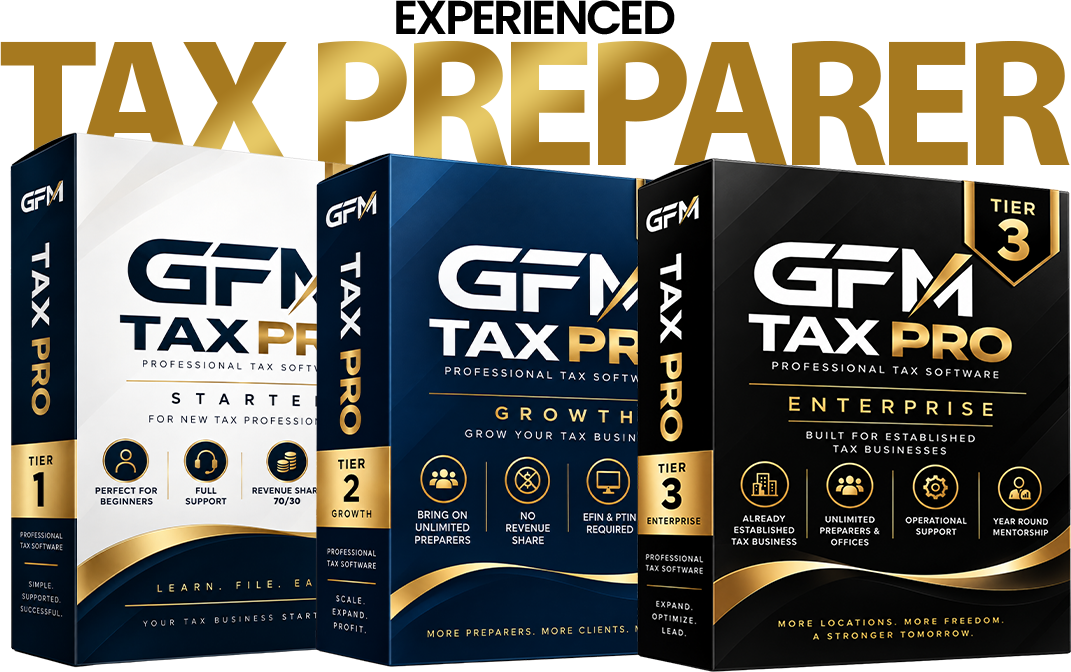
You've gained the experience. You've served the clients. Now it's time to explore building a business of your own.
If you're an experienced tax preparer who's ready for more independence, this webinar is designed for you.
Learn how to establish your own tax operation, develop your brand, and position yourself to retain 100% of the preparation fees you charge, without a mandatory revenue-sharing arrangement.
Applicable processing costs and other business expenses may still apply.
ERO
UNDERSTAND THE MODEL
Keep 100% Revenue
$$$
KNOW THE MONEY + FEES
SCALE
SYSTEMS, AUTOMATION + TEAM
If you are ready to grow beyond tax preparation and become an ERO
This training is for you.
I’m breaking down what it really takes to become an ERO, get your software, build your company, attract Clients, and create a business that can actually grow.
Because getting the software is only the beginning. You need to know how to build the offer, market the business, recruit, sell, onboard, automate, and scale. And I’m going to show you exactly what that looks like.
DOES THIS SOUND LIKE YOU?

You're tired of splitting your tax preparation fees.
You want to understand how to obtain your EFIN.
You want to establish your own brand and clientele.
You need guidance on setting up your business correctly.
You're ready to open your own tax business.
You have a PTIN but don't know your next step.
You want to learn how to operate independently.
You're ready to transition from tax preparer to business owner.
If you answered yes, this webinar is for you.
You're tired of splitting your tax preparation fees.
You want to understand how to obtain your EFIN.
You want to establish your own brand and clientele.
You need guidance on setting up your business correctly.
You're ready to open your own tax business.
You have a PTIN but don't know your next step.
You want to learn how to operate independently.
You're ready to transition from tax preparer to business owner.
If you answered yes, this webinar is for you.
YOUR ROADMAP FROM TAX PRO TO ERO

Establish Your Tax Business
Understand business formation, registration, branding, and the essential steps to building a professional tax operation.

Understand PTIN & EFIN Requirements
Learn the difference between a PTIN and EFIN, how the IRS e-file application process works, and what's required to operate as an authorized IRS e-file provider.

Keep 100% of Your Fees
Discover how to structure your business without splitting your preparation fees with another tax office, while understanding your operating expenses.

Launch, Market & Grow
Learn strategies for attracting clients, establishing professional systems, selecting tax software, and preparing for a successful tax season.
THE BUSINESS MODEL
ERO VS. SERVICE BUREAU
Understand the difference between the two business models, what each one does, who each model is for, and which direction may make the most sense for you.
BEHIND THE BUSINESS
HOW THE TAX SOFTWARE BUSINESS WORKS
Learn what you're actually building, who you're serving, how the partnership model works, and what happens behind the scenes.
PRICING + REVENUE
HOW THE MONEY WORKS
We're talking pricing, back-end fees, revenue opportunities, and the numbers you need to understand before choosing a software partnership.
WHAT YOU ACTUALLY NEED TO GET STARTED
Software is only one piece. I'm going to show you the foundation you need to start building a real company around it.
STOP BUILDING SOMEONE ELSE'S TAX BUSINESS. START BUILDING YOUR OWN.
You already possess valuable tax preparation skills. Now it's time to learn the business side of the industry.

Your experience.

Your brand.
Your business.
Your fees.
Your experience.
Your brand.
Your business.
Your fees.

HOW TO POSITION YOUR COMPANY
Your website, flyers, webinar, offer, sales sheet, follow-up, onboarding, and messaging all need to work together.

HOW TO ATTRACT
PARTNERS
Learn how EROs recruit tax preparers, how Service Bureaus recruit EROs, and how to build a real recruiting strategy.

HOW TO STOP DOING EVERYTHING MANUALLY
Learn why automation, systems, SOPs, onboarding, and support become essential as your business grows.
LEARN FROM AN EXPERIENCED TAX INDUSTRY PROFESSIONAL
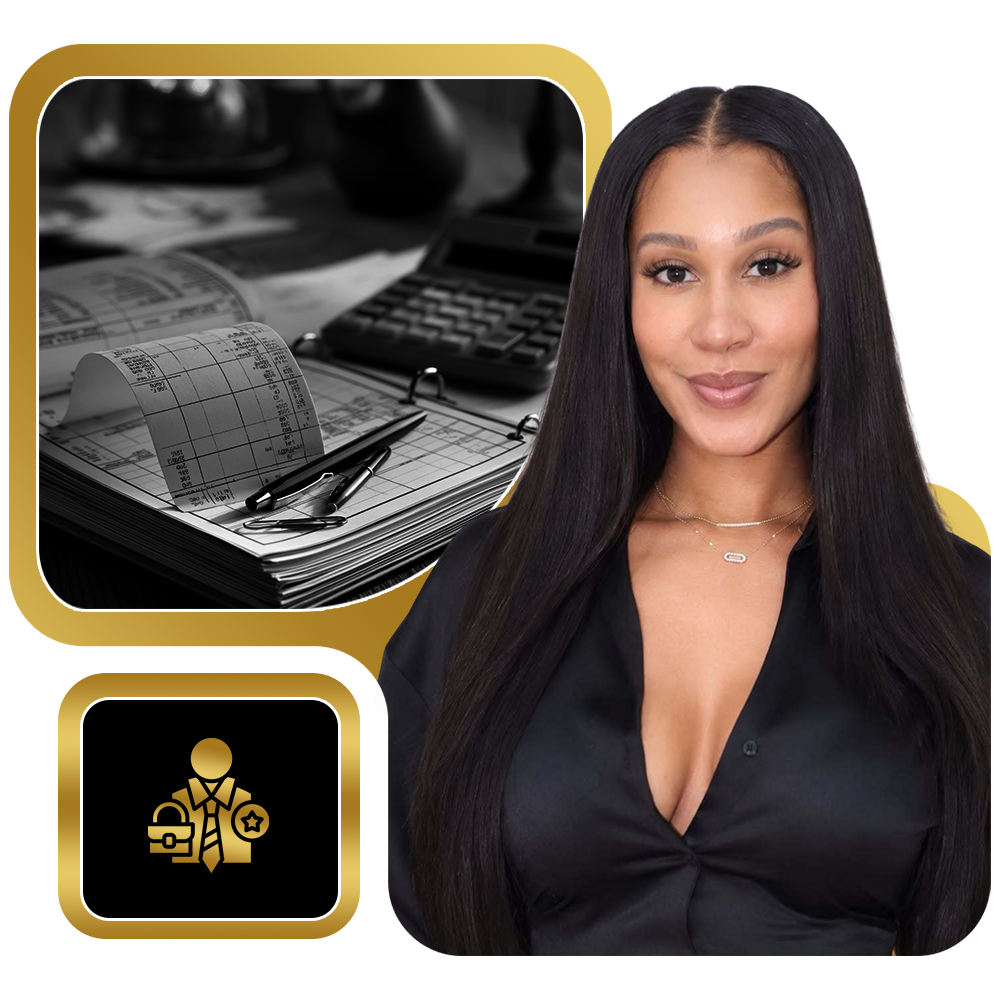
With over 15 years of experience in the tax industry, your webinar host brings practical insight into tax preparation, business development, and the operational steps involved in establishing a tax business.
This webinar is designed to provide aspiring tax business owners with a clearer understanding of the transition from tax preparer to independent ERO.
FREQUENTLY ASKED QUESTIONS
Do I need an EFIN to attend?
No. This webinar will explain the EFIN application process and what you need to know before applying.
Can I attend if I already have a PTIN?
Absolutely. This webinar is particularly relevant for PTIN holders looking to establish their own tax business.
Will I learn how to keep 100% of my fees?
Yes. We'll discuss how independent business ownership can eliminate mandatory preparation-fee revenue splits. Standard business and processing expenses may still apply.
Is this webinar about becoming a service bureau?
No. This webinar focuses exclusively on transitioning from tax preparer to ERO and establishing your own tax preparation business.
Do I need to have an existing tax business?
No. The webinar covers foundational steps for individuals preparing to establish their own operation.
Where are your leads coming from?
You need a consistent way to attract tax preparers, EROs, or potential partners instead of depending on random posts, referrals, or people finding you by accident.
What exactly are you offering?
You should be able to clearly explain your software, pricing, support, resources, onboarding, and what your partners actually receive when they join you.
Do you have a step-by-step sales presentation?
A repeatable presentation keeps your message consistent and helps you explain the opportunity without making up the sales conversation every time.
How are new partners onboarded?
Your onboarding should clearly move someone from signed agreement to account setup, training, resources, support, and actually using the software.
Do you know what can be negotiated?
Before accepting a software partnership, you should understand the deal, the fee structure, and which terms may have room for negotiation.
What are you automating?
Lead follow-up, reminders, onboarding, confirmations, internal notifications, and other repetitive steps can often be automated instead of handled manually.
Why should somebody partner with your company?
Your offer needs a clear reason for someone to choose your company beyond simply having access to tax software.
What happens when somebody books a call with you?
Your sales call should have a clear structure—from qualification and discovery to presenting your offer, answering questions, and giving the prospect a next step.
How are you following up?
Not every prospect is ready on the first conversation. Your CRM, email, text, and follow-up process should keep qualified leads from disappearing.
Do you understand your back-end fees?
You need to understand where the money comes from, which fees apply, what you earn, and how those numbers affect the profitability of your offer.
What happens when 20, 50, or 100 people need support?
Growth creates support volume. You need processes, documentation, communication systems, and eventually a team so every question doesn’t come directly to you.
What should your VA be responsible for?
A VA works best when the role has clear responsibilities, SOPs, systems, and expectations instead of being handed random tasks whenever something comes up.
YOUR NEXT CHAPTER STARTS WITH OWNERSHIP
FREE LIVE WEBINAR
Stop limiting your potential to preparing returns for someone else's business.
Take the next step toward building your own tax business, developing your brand, and keeping 100% of your tax preparation fees.
FREE WEBINAR: FROM TAX PRO TO ERO
FREE WEBINAR: FROM TAX PRO TO ERO
WE’RE TALKING ABOUT THE REAL BUSINESS.
I’m showing you what needs to happen behind the scenes so you can actually build something that makes sense. You’ll learn about:
Not just logos.
Not just flyers.
Not just buying software.
Not just posting “join my team.”
The Software
The Offer
The Sales Process
The Numbers
The Back-End Fees
The Recruiting
The Webinar
The One-on-One Calls
The Onboarding
The Automation
The Team
The Systems
All of it connects.
READY TO LEARN
HOW THIS WORKS?
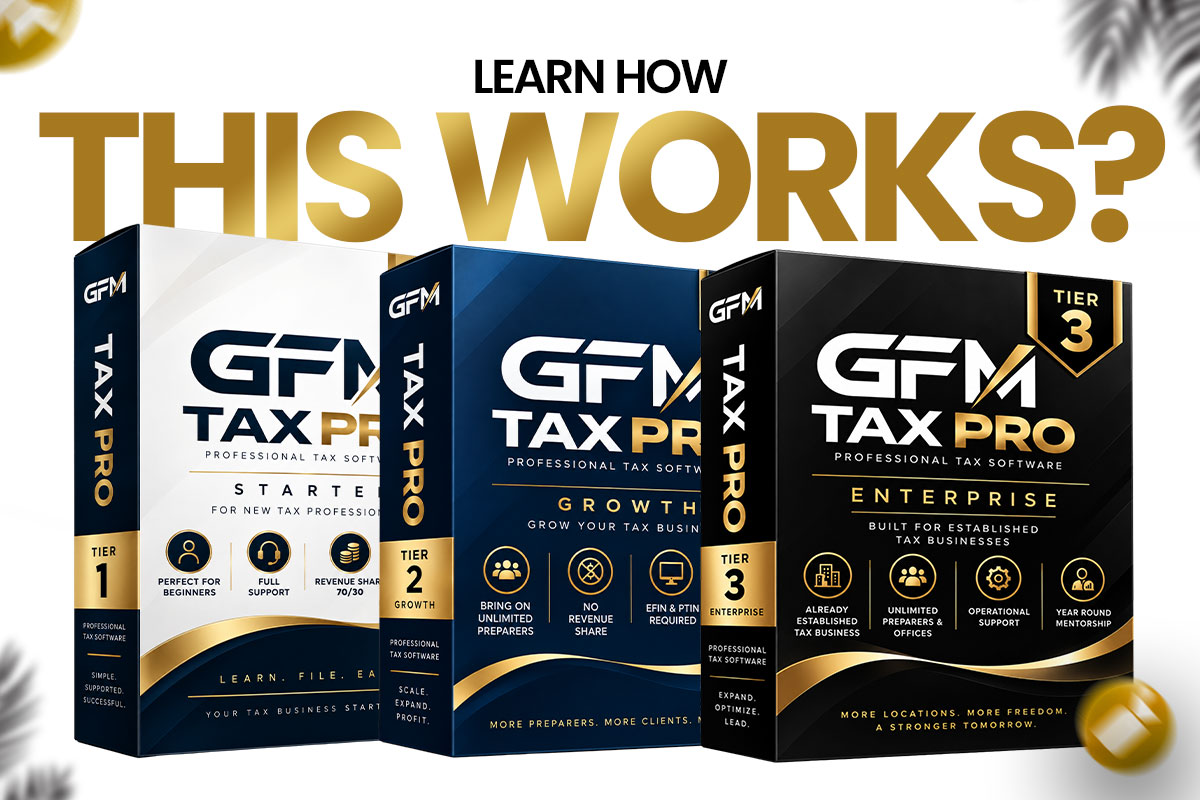
Stop trying to piece the tax software business together from random posts, Zooms, and conversations. Come learn the model. Come understand the numbers. Come learn what you need to build. And come see what it really takes to operate like an ERO.
FREE LIVE WEBINAR
Monday, September
28th 7pm CST
Live on Zoom
Register now to receive the webinar link and reminders.